Selected to Succeed: How Run-In Phases Shape the Evidence Clinicians Inherit
Photo: Nirts, CC BY-SA 4.0, via Wikimedia Commons
When the Trial Starts Before Randomization
In 2026, many industry-sponsored trials begin well before the first participant is randomized. Screening, medication washout, placebo run-in, dose titration, and responder enrichment are now routine features of trial design, particularly in therapeutic areas where symptom variability or high placebo response can obscure a treatment signal. These design choices are not inherently improper. They can reduce noise, protect participants from unnecessary exposure, and answer legitimate questions about tolerability or early response.
But run-in phases also change the population that reaches randomization. The central question is not whether these designs exist. It is whether the evidence tells US clinicians who survived the run-in, who did not, and why. Without that information, a trial can produce a precise effect estimate for a population narrower than the one implied by a product label or a guideline recommendation.
The Mechanics of a Cleaner Signal
A placebo run-in typically gives participants a period of placebo or low-level care before randomization. During this phase, participants who miss doses, report intolerable symptoms, or improve substantially may be excluded before the randomized comparison begins. A medication washout removes prior treatments so that the trial can measure the new drug against a cleaner baseline. Responder enrichment goes further: participants may receive the investigational drug during an open-label or single-blind phase, and only those who meet a prespecified response threshold continue to randomization.
Each step can be defended. A washout may prevent carryover effects. A placebo run-in may identify people who are unlikely to adhere. Responder enrichment may be appropriate when the goal is to test a drug in patients most likely to benefit, or when the condition is heterogeneous. The problem is that each step also changes the estimand. The resulting effect estimate is conditional on tolerating the run-in, adhering to early procedures, and, in enrichment designs, responding before randomization. That may be a useful question. It is not the same as the average effect in all comers.
Why the Prescribing Desk Sees a Narrower Drug
A US clinician usually encounters a trial through a journal article, a conference presentation, a label, or a guideline. Those formats rarely foreground pre-randomization selection. If a run-in removed patients who could not tolerate early side effects, real-world tolerability may be worse than the randomized phase suggests. If a washout removed patients with rebound symptoms or withdrawal effects, the safety profile may look cleaner than it will in ordinary practice. If responder enrichment selected patients with a particular symptom pattern, the effect size may shrink when the drug is used in a broader population.
None of this means the trial is invalid. It means the evidence must be read as conditional. A drug can be genuinely effective in the enriched population and still deliver a smaller average benefit in routine care. The clinical question is whether the trial report gives enough detail to judge that gap. Too often, it does not.
The Reporting Gap
Trial reports often describe randomization, follow-up, and discontinuation in detail while leaving the pre-randomization period opaque. CONSORT flow diagrams may collapse screening failures and run-in exclusions into broad categories. Publications may state that a placebo run-in was used without reporting its duration, the criteria for continuation, the number excluded at each stage, or the demographic and clinical characteristics of those excluded. Adverse events during the run-in may be summarized only in regulatory submissions, not in the article that shapes clinical reading.
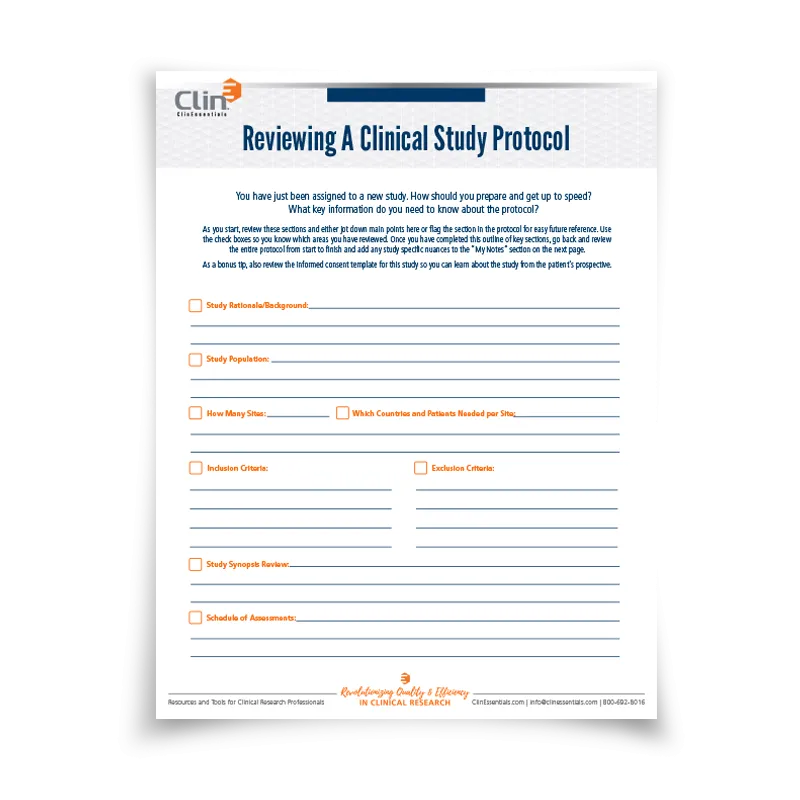
A more useful report would include a structured run-in annex. It would state how many participants entered screening, how many entered washout, how many entered placebo run-in or open-label treatment, and how many were excluded at each step. It would give reasons for exclusion, timing, prior medication use, baseline severity, and relevant demographic characteristics. It would describe whether the run-in was blinded, whether response criteria were prespecified, and whether excluded participants were followed for safety. Journals and reviewers should treat this as essential external-validity information, not as supplemental trivia.
A Stewardship Agenda
The goal is not to ban run-in phases or to make trials noisier. The goal is to make the noise visible. Sponsors should prespecify enrichment criteria and report them alongside the primary analysis. Investigators should distinguish between a tolerability run-in and a responder-enrichment design, because the two answer different questions. Regulators and guideline panels should consider whether a label or recommendation accurately communicates the population in which the evidence was generated.
For US clinicians, the practical takeaway is to ask a simple question of any trial: who was excluded before randomization, and does that exclusion matter for the patient in front of me? The answer should not require archival research. It should be part of the evidence package.