Remote by Default, Inclusive by Accident? Five Patient Groups Decentralized Trials Still Miss
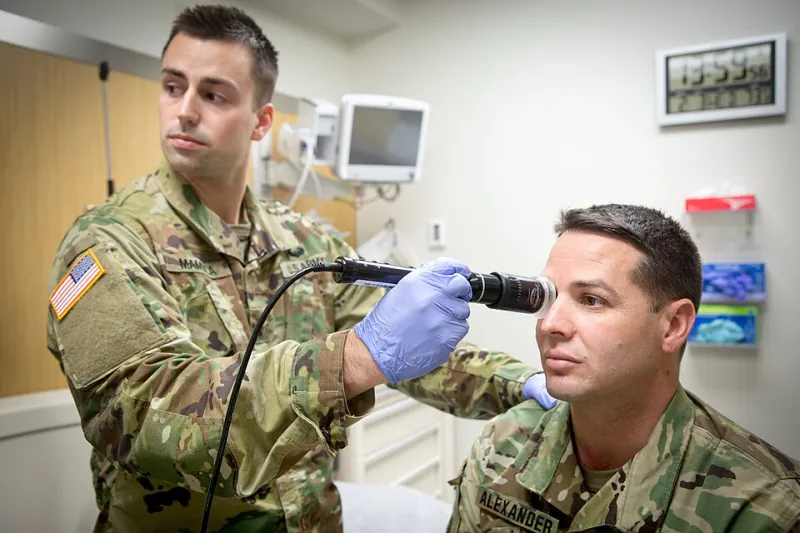
Photo: David Gillespie, Public domain, via Wikimedia Commons
The Promise and the Blind Spot
Decentralized clinical trials have moved from novelty to standard option in many US research programs. Remote visits, electronic patient-reported outcomes, wearable sensors, direct-to-participant shipping, and telehealth consent can reduce travel burden and broaden access. That is the promise. The blind spot is that remote-first design can also shift the burden onto patients who lack devices, broadband, digital confidence, or a quiet place to complete a video visit.
As of 2026, decentralized is not automatically more inclusive. Inclusion depends on how the model is built. Below are five groups that remote-first trials still frequently leave behind, paired with practical fixes that sponsors and sites can adopt.
1. Older Adults
Older adults are often assumed to be poor candidates for remote research. The assumption is too broad, but the barriers are real. Vision and hearing changes can make smartphone apps difficult. Cognitive impairment may require a caregiver to manage devices and visits. Some older patients share phones or rely on landlines. Others are highly capable with technology but lack confidence with new portals.
Practical fixes include loaner tablets with cellular connectivity, large-text and high-contrast interfaces, telephone visit options, caregiver-supported consent, and hybrid models that allow in-person visits at community sites. Training should be offered more than once and should include a live human contact. Sponsors should not use age alone as a proxy for digital ability.
2. Rural Patients
Rural patients may face long drives, limited broadband, unreliable cell coverage, and weather-related disruptions. A remote visit that works in a city apartment may fail on a farm with satellite internet and a weak signal. Direct-to-participant shipping can help, but only if someone is home to receive the package and return samples.
Useful fixes include mobile research units, partnerships with rural clinics, satellite sites, cellular-enabled devices, asynchronous visits that do not require live video, and reimbursement for travel when in-person contact is necessary. Hybrid designs should be planned from the start, not added after rural enrollment stalls.
3. Low-Income Households
Low-income participants may lack a personal smartphone, share a device with family members, or run out of data before the end of the month. They may have unstable housing, childcare responsibilities, or jobs that do not allow daytime video visits. Compensation that arrives weeks later does not solve the immediate cost of participating.
Practical fixes include device provisioning, prepaid data plans, no-cost shipping, flexible scheduling, and compensation for time and connectivity. Community health workers can help with enrollment and follow-up. Trials should avoid requiring a smartphone as a condition of entry when a phone call or a community site visit could accomplish the same task.
4. People With Limited Digital Literacy
Digital literacy is not the same as intelligence or willingness. A patient may be fully capable of understanding a trial but unfamiliar with portals, e-signatures, and wearable pairing. Remote consent can become a barrier if it assumes fluency with menus and authentication. A video visit can fail if the patient cannot troubleshoot audio.
Validated remote consent should include teach-back, a telephone option, and paper backups. Sites should offer a human navigator who can walk a participant through the process. Materials should be multilingual and written in plain language. Digital literacy screening should be used to tailor support, not to exclude patients.
5. Patients Without Reliable Broadband
Broadband access remains uneven across the US, particularly in rural areas, tribal communities, and older urban buildings. A trial that depends on continuous video or real-time data upload will systematically miss patients with unreliable connections. Intermittent connectivity can also produce missing data that look like nonadherence.
Fixes include broadband subsidies for participants, cellular data provision, offline modes for apps and wearables, store-and-forward data collection, and telephone visits. Community access points, such as libraries or clinics, can provide a private room and a reliable connection. Sponsors should test their technology under low-bandwidth conditions before launch.
Measuring Whether Decentralization Widens or Narrows Access
A decentralized trial should report who was invited, who enrolled, who completed remote procedures, and who needed extra support. Enrollment by age, rurality, income, and connectivity should be prespecified and reported. So should device return rates, help desk calls, missing data, and protocol deviations related to technology.
Decentralization is a design choice, not an inclusion guarantee. It can reduce barriers for some patients while creating new ones for others. The difference is whether sponsors treat access as a measured endpoint of trial operations rather than an assumed benefit.