Algorithms in the Protocol Room: Assessing AI's Genuine Impact on Clinical Trial Design
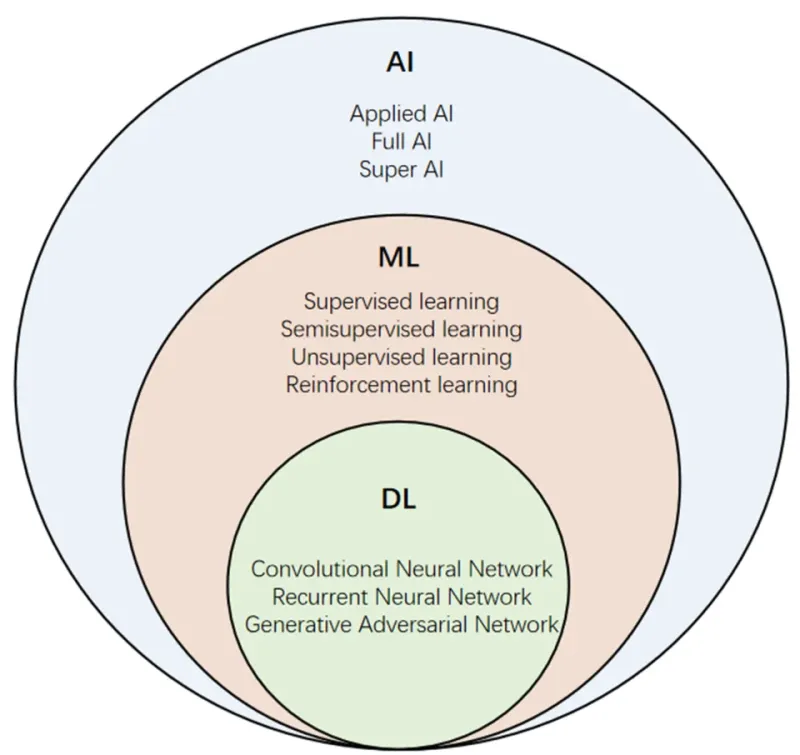
Photo: Wang, Tianming, Zhu Chen, Quanliang Shang, Cong Ma, Xiangyu Chen, and Enhua Xiao, CC BY 4.0, via Wikimedia Commons
The proposition is compelling on its face: apply machine learning to the notoriously inefficient machinery of clinical trials, and watch recruitment timelines compress, protocol deviations decline, and adverse event signals emerge earlier. Over the past five years, that proposition has moved from conference keynotes into active deployment across a growing number of US research sites. The question that has not kept pace with the adoption curve is a deceptively straightforward one—does it actually work, and how would we know if it didn't?
Where AI Is Being Applied, and Why
Clinical trial operations present a target-rich environment for algorithmic intervention. Recruitment remains one of the most persistent bottlenecks in the research enterprise: roughly 80 percent of trials fail to meet enrollment targets on schedule, and delays of 12 months or more are common. AI-powered patient identification tools—which mine electronic health records, insurance claims data, and genomic repositories to flag eligible candidates—have attracted substantial investment from both academic sponsors and commercial vendors.
Beyond recruitment, machine learning models are being applied to protocol optimization, analyzing historical trial data to recommend dosing regimens, stratification strategies, and endpoint selection. Adaptive trial designs, which adjust randomization ratios or dosing arms based on interim data, increasingly rely on algorithmic decision support. And in pharmacovigilance, natural language processing tools now scan adverse event narratives, social media signals, and post-market surveillance databases for safety patterns that might escape conventional review.
Each of these applications addresses a genuine operational pain point. That legitimacy, however, does not guarantee that the tools performing the work are valid, generalizable, or free of consequential bias.
The Validation Problem: Enthusiasm Ahead of Evidence
The clinical research community is, by professional disposition, skeptical of interventions deployed without adequate evidence of efficacy. That skepticism has not always been applied with equal rigor to the AI tools being embedded in trial infrastructure.
Many AI recruitment platforms have been evaluated primarily through internal vendor studies or single-site pilot analyses with limited follow-up. Publication bias is a concern: positive results from AI-assisted recruitment are more likely to reach the literature than null or negative findings. Independent, prospective validation across diverse trial populations and disease areas remains sparse.
The generalizability problem is particularly acute. A natural language processing model trained on EHR data from a large urban academic medical center may perform substantially worse when deployed at a community hospital or a federally qualified health center serving a predominantly rural or minority population. Training data that underrepresents certain demographic groups produces models that systematically misidentify eligible patients from those groups—a form of algorithmic bias with direct equity implications for who ultimately participates in research.
Adaptive design algorithms introduce a related concern: when a model recommends mid-trial protocol modifications, the statistical assumptions underlying the original power calculation may no longer hold. The interaction between algorithmic adaptation and inferential validity requires careful pre-specification—and that level of methodological rigor is not uniformly present in current practice.
Regulatory Blind Spots and Emerging Frameworks
The FDA has made meaningful progress in developing guidance for AI and machine learning in medical devices, most notably through its 2021 action plan for AI/ML-based software as a medical device. However, the application of those frameworks to AI tools embedded in trial design and operations—as opposed to diagnostic or therapeutic devices—remains less clearly defined.
When an AI tool influences patient selection, protocol adaptation, or safety signal detection in a regulated trial, questions arise about how that tool's performance should be documented in the investigational plan and how its outputs should be treated in the statistical analysis plan. Current IND and NDA submission templates do not consistently require sponsors to characterize the AI components of their trial infrastructure. This creates a documentation gap that could complicate regulatory review and post-market accountability.
The FDA's Complex Innovative Trial Design program and the Duke-Margolis Center for Health Policy have both engaged with aspects of this problem, and guidance documents are in development. In the interim, sponsors deploying AI in regulated trials are navigating a framework that was not designed with these tools in mind.
Case Studies: Instructive Successes and Cautionary Outcomes
The evidence base, while still developing, includes both genuinely instructive successes and cases that warrant careful scrutiny.
On the favorable side, a multi-site oncology trial reported by investigators at Memorial Sloan Kettering used a machine learning model to pre-screen EHR data across affiliated sites, reducing the time from site activation to first patient enrolled by approximately 30 percent. The model's performance was prospectively validated against manual screening, and demographic parity across racial and age subgroups was explicitly assessed—a methodological standard that should be considered baseline practice.
Less encouraging is the experience of several industry-sponsored trials that integrated AI-powered safety monitoring without pre-specifying how algorithmic alerts would be adjudicated by human reviewers. In at least two documented cases reviewed in regulatory correspondence made public through FDA advisory committee materials, discrepancies between algorithmic safety signals and clinical assessment led to protocol confusion and delayed reporting to IRBs. These cases underscore that AI tools in safety-critical roles require not only technical validation but clear human oversight protocols.
What Rigorous Validation Would Require
If the clinical research community is to move from anecdote to evidence on AI performance, several methodological commitments are necessary.
First, AI tools used in trial operations should be subject to prospective validation studies that are pre-registered, powered to detect meaningful performance differences across subgroups, and published regardless of outcome. The same norms that govern therapeutic interventions should govern the operational tools used to study them.
Second, sponsors should document AI components in their trial protocols with sufficient specificity to allow independent replication and regulatory review. This includes training data provenance, model version control, performance benchmarks, and human override procedures.
Third, the research community should develop consensus standards—potentially through organizations such as the Society for Clinical Trials or the Clinical Trials Transformation Initiative—for what constitutes adequate AI validation in specific trial contexts. Absent such standards, each institution is effectively setting its own bar.
A Measured Path Forward
None of this argues for a moratorium on AI in clinical research. The operational challenges that these tools address are real, and the potential for meaningful improvement—particularly in recruitment equity and early safety detection—is genuine. The argument is for proportionality: the rigor applied to validating AI tools should be commensurate with their role in shaping research outcomes.
Clinical trials exist to generate reliable evidence. Tools that introduce uncharacterized bias, operate without transparent documentation, or outrun regulatory frameworks do not serve that purpose—regardless of how sophisticated their underlying architecture may be. The path to realizing AI's potential in this domain runs directly through the same methodological discipline that defines the research enterprise itself.